
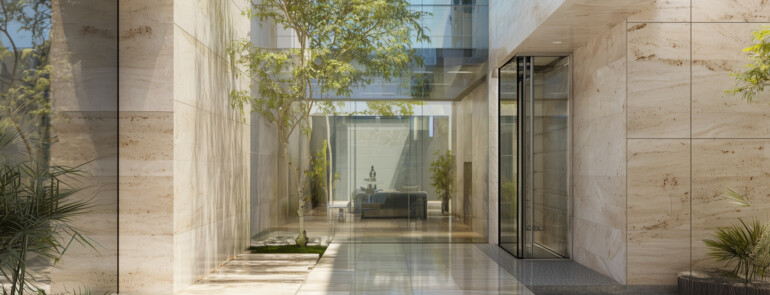
Interior design is undergoing a significant transformation as well-being becomes a central focus in modern living spaces. Beyond aesthetics and luxury, designers are increasingly prioritizing mental comfort, emotional balance, and overall quality of life when shaping interiors.
Open-plan layouts have become a defining element of contemporary homes, allowing natural light to flow freely and creating a sense of openness and visual calm. This spatial flexibility not only enhances functionality but also contributes to reduced stress and improved daily comfort.
Natural light now plays a vital role in interior planning, as studies and design practices emphasize its impact on mood, productivity, and emotional health. Large windows, glass partitions, and seamless indoor-outdoor connections are increasingly common features in modern residences.
Color palettes have also shifted toward soft, neutral tones such as warm whites, beige, and light gray. These shades create a tranquil atmosphere and allow the architecture and materials to stand out without overwhelming the senses. The use of natural materials — including wood, stone, and organic fabrics — further strengthens the connection between interior spaces and nature.
This design movement reflects a broader lifestyle shift, where homes serve multiple purposes: living, working, relaxing, and recharging. As a result, interior design is no longer viewed solely as a visual statement, but as a tool for enhancing everyday life.
In the luxury segment, true sophistication now lies in creating interiors that combine elegance with serenity — spaces that feel as good as they look, and respond thoughtfully to the needs of modern living.